KBS Team
Author
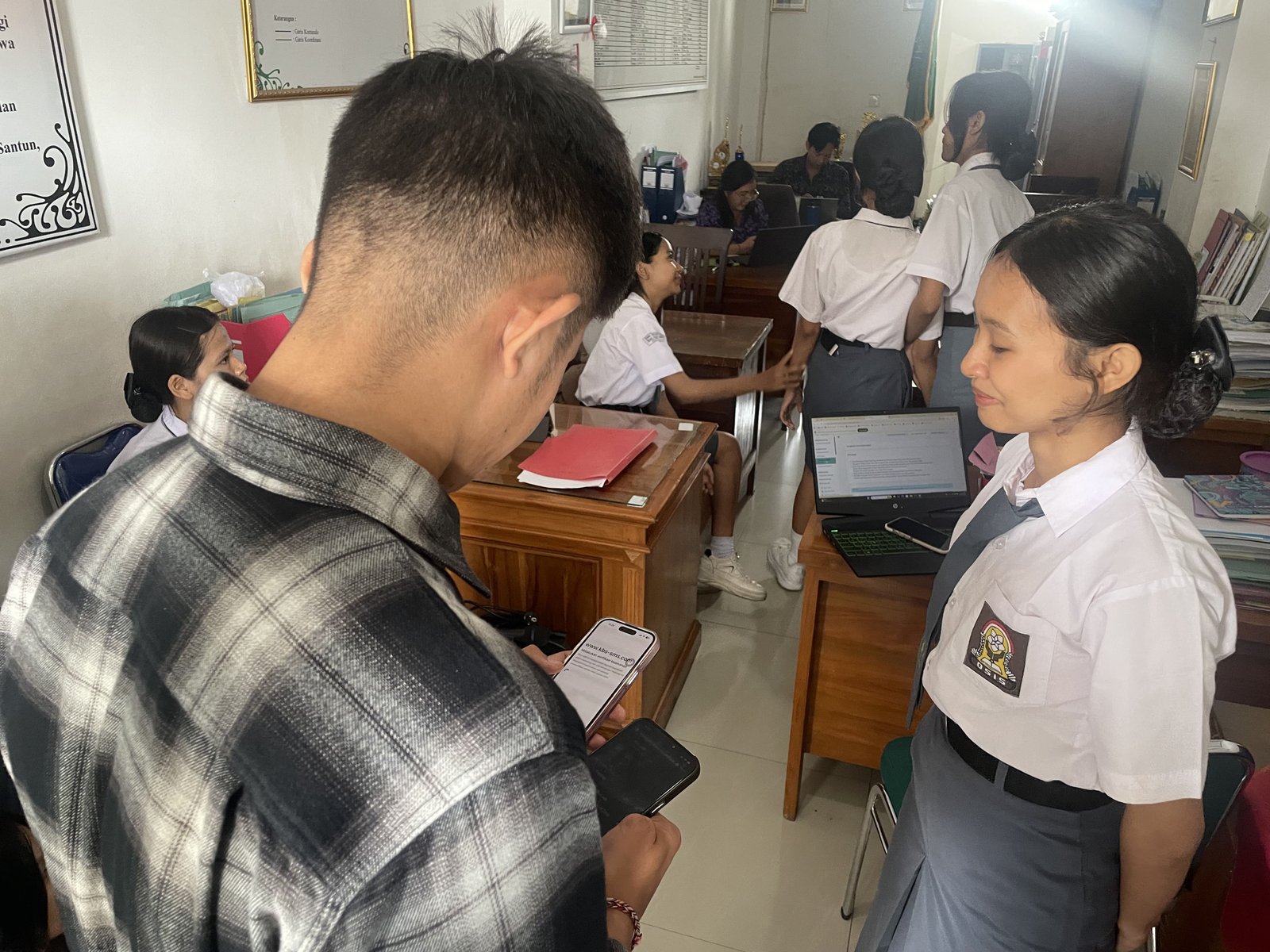
Hybrid learning is often considered a modern solution in the world of education. However, in practice, many schools face increasingly complex operational challenges. Without an integrated school management system, hybrid learning can cause various problems such as unsynchronized academic data, conflicting learning schedules, and difficulties in monitoring students in real-time. Instead of improving efficiency, hybrid learning without a digital system actually risks lowering the quality of school management. Therefore, schools need to understand that the success of hybrid learning greatly depends on the system being used.
Why Is Hybrid Learning Often Ineffective?
Hybrid learning combines face-to-face and online learning. Conceptually, this method provides flexibility for students and teachers. However, in its implementation, hybrid learning is often ineffective due to: the absence of an integrated system, the use of many separate platforms, lack of control over data and learning activities. Without the right system, hybrid learning actually increases the operational complexity of schools.
Risks of Hybrid Learning Without a School Management System
Without the support of a school management system, hybrid learning can pose the following risks:
1. Unsynchronized Academic Data
Student grades, attendance, and activity data are often scattered across various platforms. Impact: inaccurate data, difficult to analyze, suboptimal decision-making.
2. Uncontrolled Learning Schedules
Managing online and offline schedules becomes more complex. Impact: schedule conflicts, confusion among teachers and students, disruption to the learning process.
3. Suboptimal Student Monitoring
Schools struggle to monitor student activities in real-time. Impact: student engagement is difficult to measure, quality of learning decreases.
4. Increased Administrative Burden on Teachers
Teachers must manage various systems separately. Impact: time consumed by administration, reduced focus on teaching.
5. Risk of Errors and Data Duplication
Without a centralized system: data is easily lost, duplication occurs, input errors increase.
Impact If Schools Do Not Use an Integrated System
If schools continue to use manual or non-integrated systems, then: operations become inefficient, data quality decreases, decision-making processes become slow, student learning experiences are not optimal. In the long run, this condition can decrease the overall quality of education.
Solution: Integrated School Management System
To address these various risks, schools need to use a digital school management system. This system enables: integration of all academic data, automation of administrative processes, real-time learning monitoring, data-based decision making. With an integrated system, hybrid learning can run more effectively and in a controlled manner.
The Role of KBS SMS in Supporting Hybrid Learning
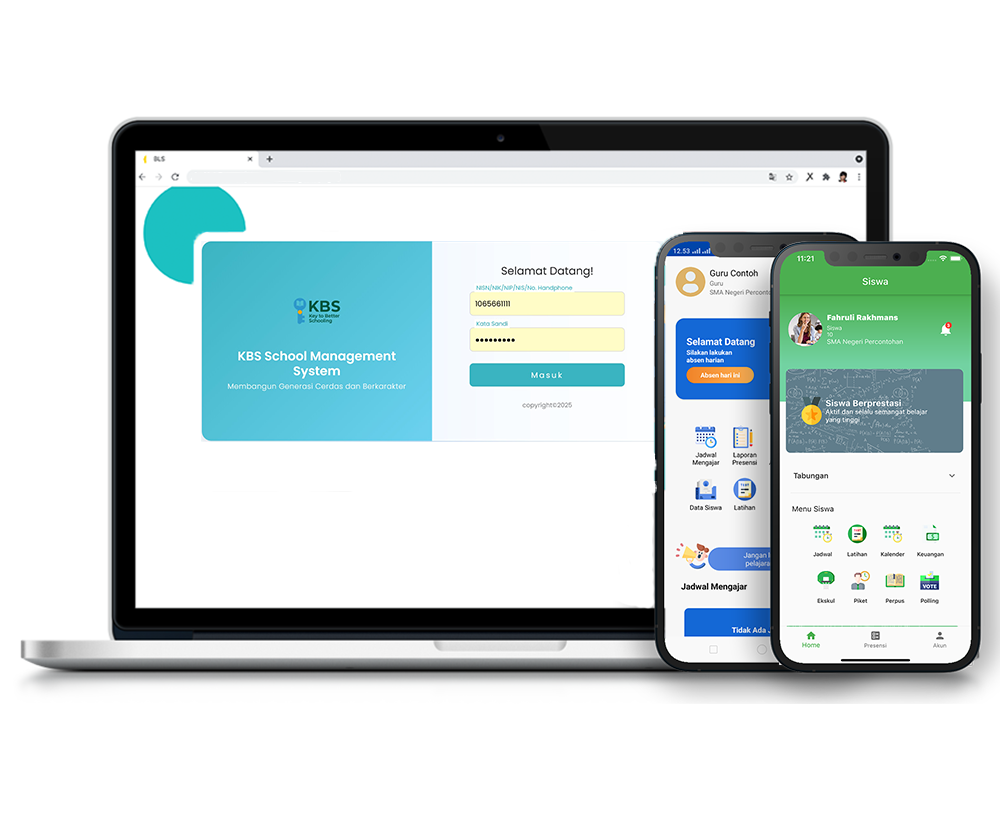
As a School Management System, KBS SMS (Key to Better Schooling – School Management System) is designed to help schools manage hybrid learning in an integrated manner. KBS SMS helps schools in:
1. Integrating Academic Data
All student data, grades, and attendance are stored in one system.
2. Managing the Digital Examination System
From question creation to exam monitoring, everything is done in one platform.
3. Synchronizing Assessment and Report Cards
Student grades are automatically integrated for greater accuracy.
4. Supporting Curriculum and Learning
Management of learning materials and activities is carried out in a structured manner.
Schools can explore the complete features through: 👉 https://kbssmsschool.com/features/academic-management With an integrated system, schools can reduce operational risks and improve learning efficiency.
Case Study: Impact of Digital System Implementation
Schools that use an integrated school management system experience:
1. Operational Efficiency
Administrative processes become faster and more structured.
2. Data Accuracy
Academic data is more accurate and easily accessible.
3. Improved Learning Quality
Better monitoring helps improve the quality of student learning.
Long-Term Benefits of an Integrated Digital System
The use of a school management system provides strategic benefits:
1. Cost and Time Efficiency
Schools can reduce their operational burden.
2. Faster Decision Making
Data is available in real-time for analysis.
3. Readiness to Face Digital Transformation
Schools become more adaptive to technological developments.
Conclusion
Hybrid learning without a school management system is not a solution, but rather a new risk in educational management. Without an integrated system, schools will face various problems such as unsynchronized data, inefficient operations, and a decline in learning quality. By using a digital school management system, schools can integrate all processes in one platform that is more efficient, structured, and modern. Solutions like KBS SMS help schools not only adapt to change, but also improve the overall quality of educational management.
🔒 Copyright Notice This article is official content owned by PT. Kreasi Bali Sasmita Nusantara (KBS SMS). Copying, distributing, or republishing part or all of the content of this article without written permission from the copyright owner is strictly prohibited.