Admin KBS
Author
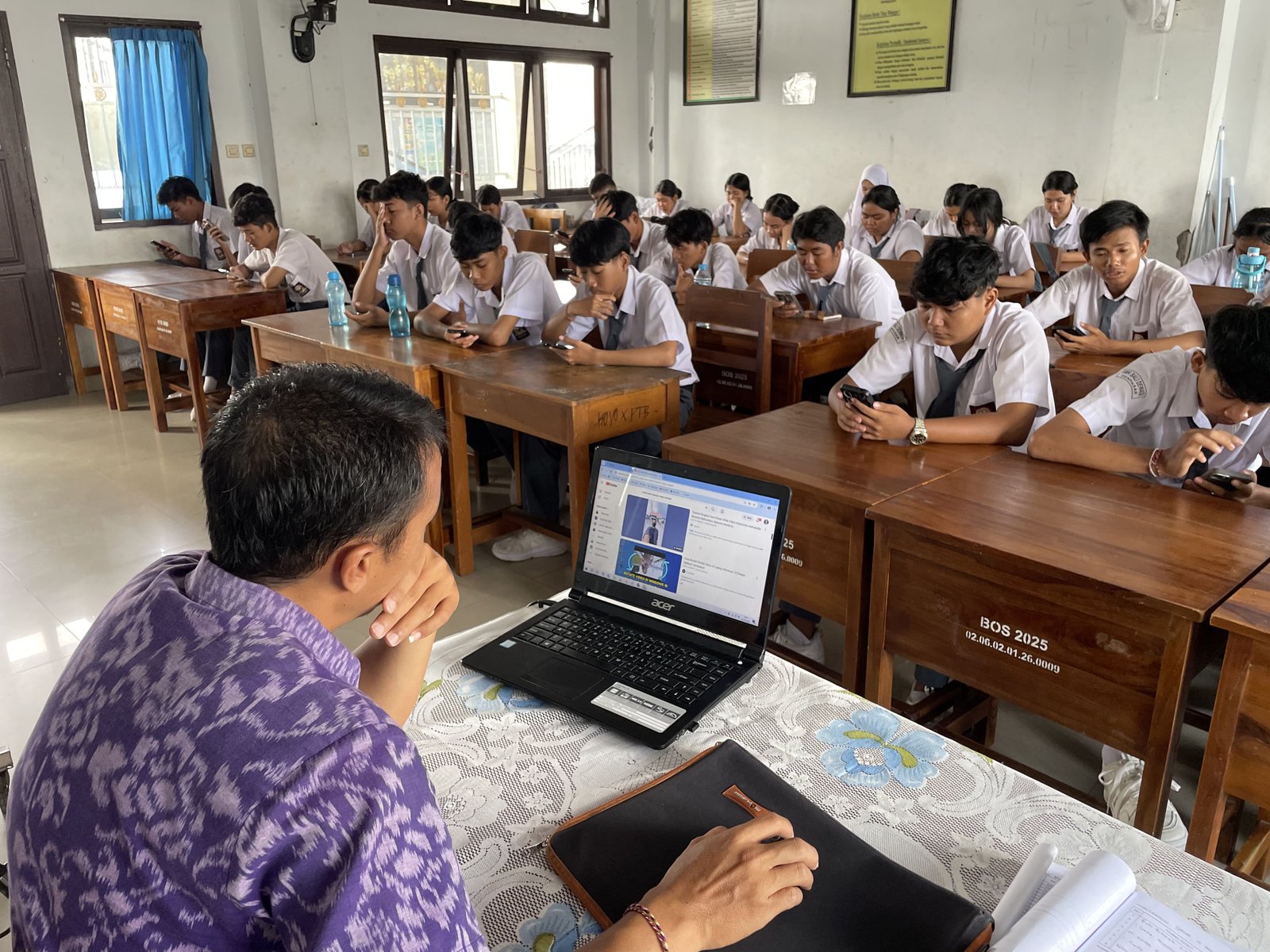
In recent years, many schools have had no choice but to adapt to digitalization. This change is not merely an innovation, but a necessity that "forces" schools to change the way they manage operations and learning. However, the reality is that not all schools are ready. Many immediately use various applications separately without an integrated system. As a result, new problems emerge such as unsynchronized academic data, inefficient operations, and an increasing administrative burden on teachers. If not managed properly, digitalization actually becomes a burden, not a solution. Therefore, schools need a school management system that is capable of integrating all processes in one platform.
Why Schools Are Forced to Go Digital in the Modern Education Era
Digital transformation in education does not happen gradually, but takes place very rapidly. The driving factors include: the development of educational technology, the need for online and hybrid learning, demands for school operational efficiency, and parental expectations for transparency. Schools that do not adapt will fall behind, both in terms of learning quality and operational management. However, digitalization without the right system actually increases complexity.
Challenges Schools Face in Digital Transformation
When schools begin to shift to digital systems, various challenges often arise:
1. Non-Integrated Systems
Schools use many different applications for attendance, grades, and learning. Impact: data is not synchronized, difficult to control, work becomes repetitive.
2. Increased Administrative Burden on Teachers
Teachers must manage various systems simultaneously. Impact: time consumed by administration, reduced focus on teaching.
3. Academic Data is Difficult to Manage
Data is scattered across various platforms. Impact: difficult to analyze, prone to errors.
4. Suboptimal Learning Monitoring
Schools struggle to monitor student activities in real-time. Impact: quality of learning decreases.
Risks of Digitalization Without a School Management System
Digitalization without an integrated system is not a solution, but a new risk. The following are the main risks that often occur:
1. Inaccurate Data
Student information, grades, and attendance are not synchronized.
2. Inefficient Operations
Work processes become slower due to many separate systems.
3. Data Duplication and Errors
Data is often entered repeatedly and is potentially incorrect.
4. Inaccurate Decision Making
Invalid data leads to less accurate decisions.
5. Decline in Education Quality
Weak monitoring impacts student learning outcomes.
Solution: Integrated School Management System
To overcome these various challenges, schools need an integrated school management application. This system enables: integration of all academic data, automation of administrative processes, real-time monitoring, and operational efficiency. With an integrated system, digitalization becomes more directed and effective.
The Role of School Management Systems in Operational Efficiency
A school management system functions as the central control for all school activities.
1. Academic Data Integration
All student data is stored in one system.
2. Operational Management
Attendance, grades, and administration are managed centrally.
3. Real-Time Monitoring
Schools can monitor learning activities directly.
4. Work Efficiency
Manual processes are reduced and work becomes faster.
The Role of KBS SMS in School Digitalization
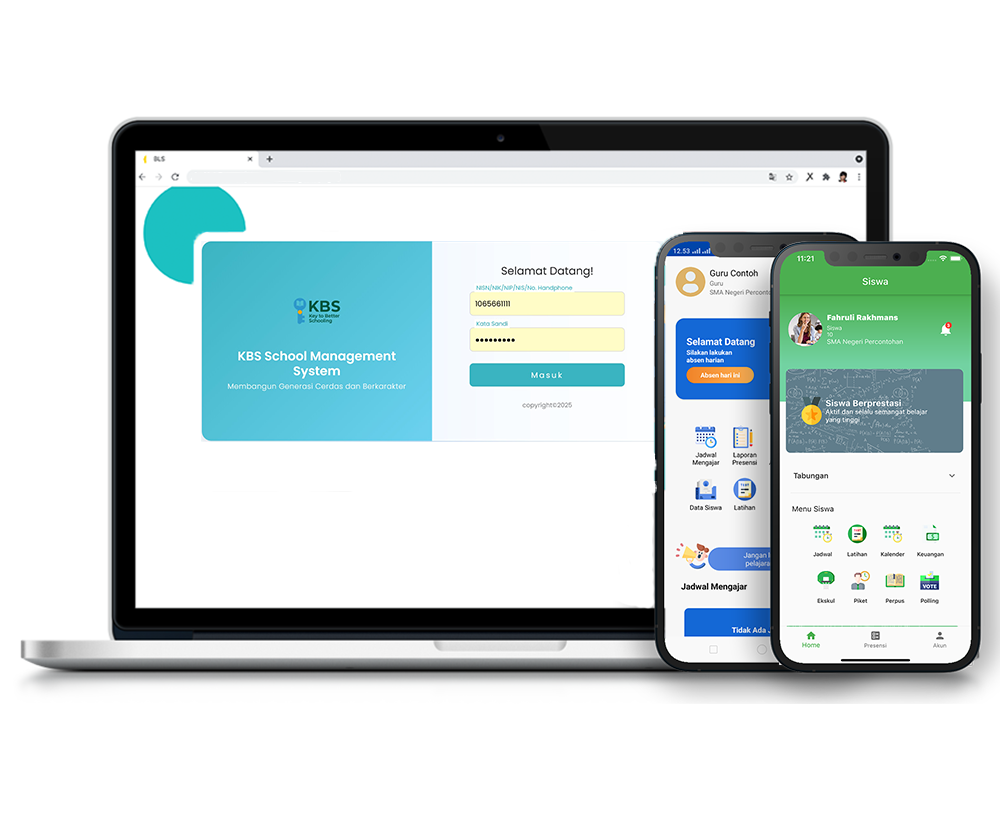
As a School Management System, KBS SMS (Key to Better Schooling – School Management System) helps schools manage digitalization in an integrated manner. KBS SMS helps in:
1. Managing Academic Data Centrally
All student data, grades, and attendance are stored in one system.
2. Managing the Digital Examination System
From question creation to exam monitoring, everything is done in one platform.
3. Improving Operational Efficiency
School administration becomes faster and more structured.
4. Strengthening School Communication
Teachers, students, and parents are connected in one system.
Learn about the complete features at: 👉 https://kbssmsschool.com/features/academic-management 👉 Schools can start improving operational efficiency through systems like KBS SMS.
Impact of School Management System Implementation
Schools that use an integrated system experience:
1. More Efficient Operations
Work processes become faster and more structured.
2. More Accurate Data
Information is more valid and easily accessible.
3. Improved Learning Quality
Better monitoring improves student learning outcomes.
Long-Term Benefits of School Digitalization
1. More Adaptive Schools
Able to keep up with technological developments.
2. More Accurate Decisions
Based on accurate data.
3. Increased School Competitiveness
Schools become more modern and superior.
Conclusion
Schools that are forced to go digital without the right system will face various operational and academic problems. Digitalization is not just about the use of technology, but about how that technology is managed in an integrated manner. By using a school management system, schools can manage all processes in one platform that is efficient, structured, and modern. Solutions like KBS SMS help schools not only adapt, but also grow into educational institutions that are ready to face the future.
🔒 Copyright Notice
This article is official content owned by PT. Kreasi Bali Sasmita Nusantara (KBS SMS). Copying, distributing, or republishing part or all of the content of this article without written permission from the copyright owner is strictly prohibited.