KBS Team
Author

Introduction
The digitalization of education has become an important step in improving the quality of school management in the modern era. Technological advancements encourage schools to start integrating various academic processes into digital systems, including the learning evaluation process.
One significant change is the transition from conventional paper-based exams to digital school examination systems. With the support of technology and school management systems, exams can be conducted more efficiently, transparently, and easily managed.
Currently, many schools are considering the use of digital-based school exams as part of their digital transformation in education.
Comparison of Conventional Exams and Digital Exams
Learning evaluation is an important process to determine how well students understand the material that has been taught. In practice, schools generally use two main evaluation methods: conventional exams and digital exams. The following is a key comparison between these two methods.
Conventional Exams in Schools
Using Paper and Answer Sheets
Conventional exams are a traditional evaluation method that uses paper as the primary medium. Exam questions are printed as physical documents, and students write their answers on answer sheets provided by the school.
This method is still widely used because it has long been implemented in the education system.
Manual Grading Process
In conventional exams, grading is carried out manually by teachers. Each answer sheet must be checked one by one based on the answer key.
This process often takes a considerable amount of time, especially when the number of students is large.
Physical Distribution of Exam Papers
Since it uses printed documents, exam distribution is done manually by exam supervisors. Schools need to print exam papers in large quantities and distribute them to students in exam rooms.
This results in additional operational costs for exam implementation.
Manual Data Management
In conventional exam systems, student scores are usually recorded manually before being entered into academic reports or report cards. This process can be challenging when managing large amounts of data.
Digital Exams in Schools
Using Digital-Based School Exams
Unlike conventional methods, digital exam systems utilize computers or other digital devices to conduct learning evaluations. Students can complete exams directly through computers or other connected digital devices.
Automated Grading System
One of the main advantages of online school exams is the system’s ability to automatically grade results. Once students complete the exam, the system can instantly process the results without manual checking.
This makes the evaluation process faster and more efficient.
Real-Time Exam Monitoring
By using digital exam systems, teachers can monitor exam activities in real time through the available system. This helps ensure that exams run smoothly and minimizes the risk of cheating.
Integrated Data Storage in School Management Systems
Another advantage of digital exam systems is their ability to store all student exam data in an integrated system. Scores, evaluation results, and academic reports are stored within the same platform.
This integration helps schools manage academic information in a more structured way.
The Role of School Management Systems in Digital Exams
To ensure that online school exams run effectively, schools need a technology platform capable of managing various academic processes in an integrated manner.
This is where school management systems play a crucial role. These systems help schools manage various academic activities such as:
-
student data management
-
exam score processing
-
academic administration
-
digital exam implementation
Schools that want to learn more about system-based academic management can explore the following features:
https://kbssmsschool.com/features/academic-management
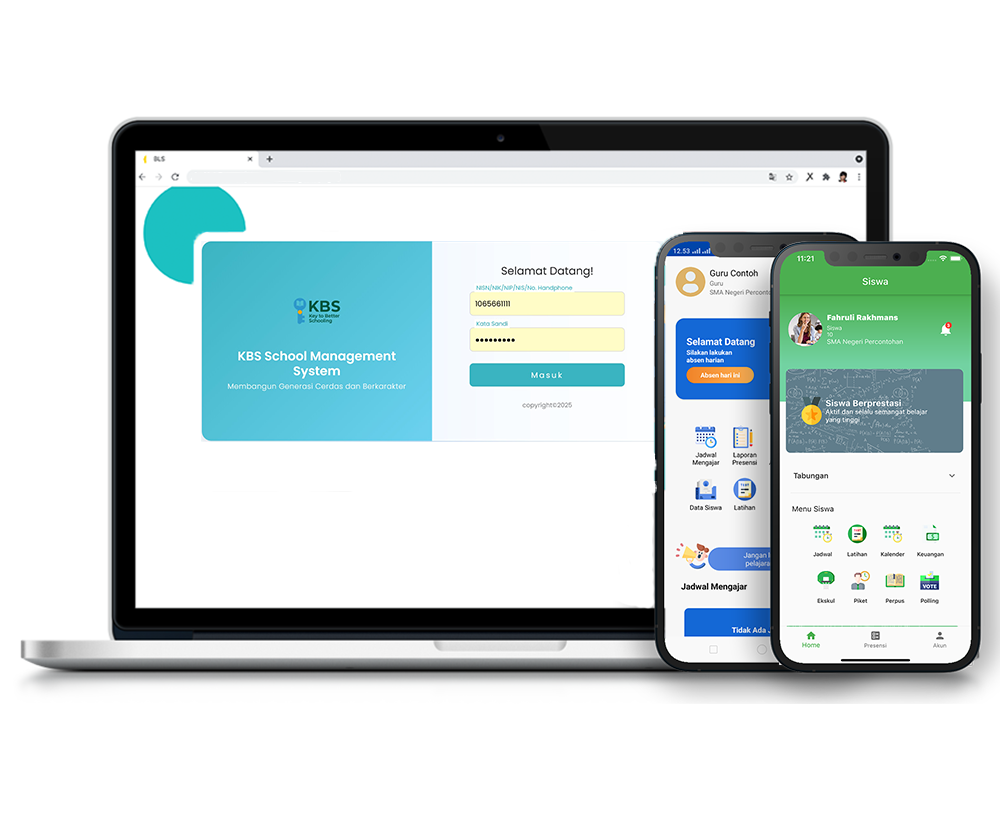
Platforms like KBS SMS (Key to Better Schooling – School Management System) help schools manage academic processes digitally, making exam implementation more efficient and integrated.
Conclusion
The comparison between conventional and digital exams shows that the use of technology provides many advantages for schools. Digital exam systems enable more efficient exam implementation, faster grading processes, and more structured academic data management.
By utilizing school management systems, schools can integrate various academic activities into a single platform. This helps schools conduct learning evaluations in a more modern way and supports digital transformation in education.
References
https://distantreader.org/stacks/journals/jira/jira-262.pdf
https://prezi.com/p/bw4hr3yvldwk/ujian-berbasis-komputer-dan-ujian-berbasis-kertas/
Copyright Notice
This article is the official content of PT. Kreasi Bali Sasmita Nusantara (KBS SMS). It is prohibited to copy, distribute, or republish part or all of this content without written permission from the copyright owner.